
Pharmacy First Plus: What Equipment Do You Really Need?
Starting Pharmacy First Plus doesn't require a room full of expensive equipment, but having the right tools, and knowing how to use them, will make consultations safer, smoother and more professional.
Your Consultation Room
A good consultation room should be clean, comfortable and organised, providing a private space where patients feel at ease discussing their health concerns. Good lighting and access to a computer can also make examinations and documentation more efficient, helping to support safe and professional clinical consultations.
Essential Equipment
Otoscope
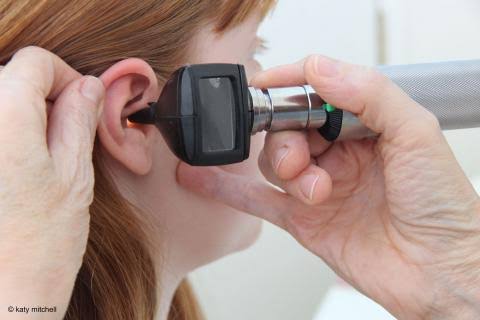
A good-quality otoscope is one of the best investments you can make. Brands such as Keeler or Heine often provide better image quality and are easier to use than cheaper alternatives.
Remember to keep:
• Plenty of disposable tips
• A range of tip sizes, especially for children
• Spare batteries
Thermometer
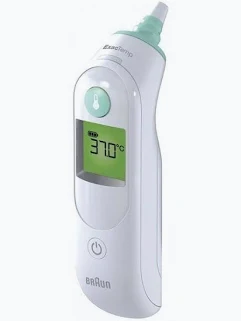
An in-ear thermometer is essential for many Pharmacy First Plus consultations.
• Keep plenty of probe covers available
• Ensure you're familiar with the correct technique
• Have spare batteries to hand
Stethoscope
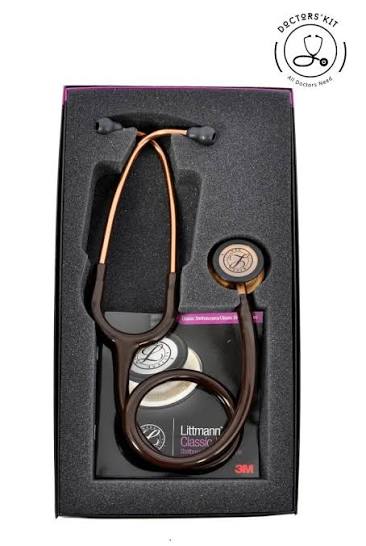
You don't need a specialist cardiology stethoscope, but a quality model will make chest assessments much easier.Many clinicians recommend the Littmann Classic range. Inexpensive stethoscopes with double tubing often provide poorer acoustic quality.
Pulse Oximeter
A pulse oximeter is a core item for assessing patients presenting with respiratory symptoms and can provide valuable information when combined with your clinical assessment.
Ensure you know how factors such as poor peripheral circulation, nail polish and patient movement can affect readings.
Blood Pressure Equipment
Ideally you should have:
• An automated blood pressure monitor
• Different cuff sizes
• A manual sphygmomanometer
Using a cuff that's too small can overestimate blood pressure. A manual sphygmomanometer is also useful when assessing patients with atrial fibrillation or other irregular rhythms.
Don't forget that blood pressure monitors require regular calibration or replacement according to manufacturer guidance.
Other Useful Tools
Consider keeping the following available:
• Tongue depressors
• Pen torch
• Examination gloves
• Face masks
• Alcohol hand gel
• Access to handwashing facilities
A wall clock with a second hand can also be surprisingly useful when measuring pulse or respiratory rate.
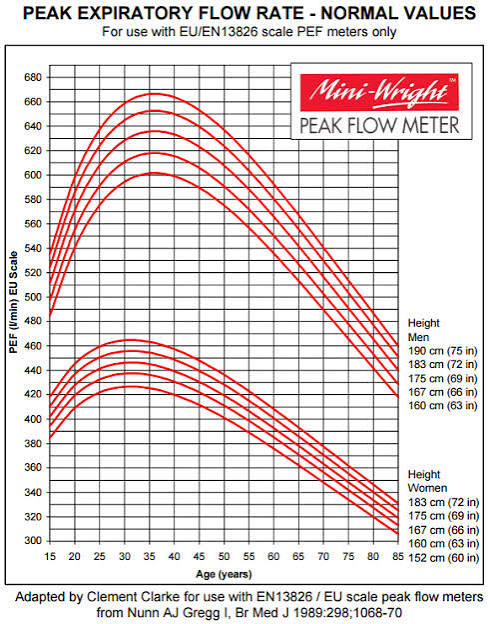
Peak Flow Meter
A peak flow meter with disposable mouthpieces can be helpful when assessing patients with cough, who also have asthma. Having a predicted peak flow chart available nearby can make interpretation quicker and easier.
Helpful Reference Resources
Many pharmacists find it useful to keep quick-reference materials in their consultation room, such as:
• NEWS2 chart
• Predicted peak flow chart
• Paediatric pulse reference ranges

Top Tips
‣ Ask colleagues what equipment they use during your PLP,/shadowing sessions
‣ Buy once, buy well. Good-quality equipment is often easier to use and lasts longer.
‣ Stay on top of consumables. Regularly check stocks of otoscope tips, thermometer covers, gloves and mouthpieces.
‣ Keep spare batteries available. Equipment always seems to fail at the worst possible moment.
‣ Practise with your equipment. Even similar devices vary between manufacturers. Spend time using them on willing colleagues, friends or family members until you're confident.
‣ Clean equipment between consultations and follow local infection prevention procedures.
Looking Ahead
If you're delivering additional services such as weight management or enhanced sexual health services, you may also wish to invest in weighing scales and a height measure for BMI calculations.
Ultimately, the most important thing isn't having the most expensive equipment, it's having reliable equipment that you're comfortable and confident using. Good clinical skills combined with well-maintained equipment are the foundation of safe and effective Pharmacy First Plus consultations.